Ein AI-Tutor, mit dem Sie wirklich sprechen — für immer kostenlos. Epivo stellt die Fragen, fordert Ihr Denken heraus und führt Sie zum Verstehen — nicht zu fertigen Antworten.
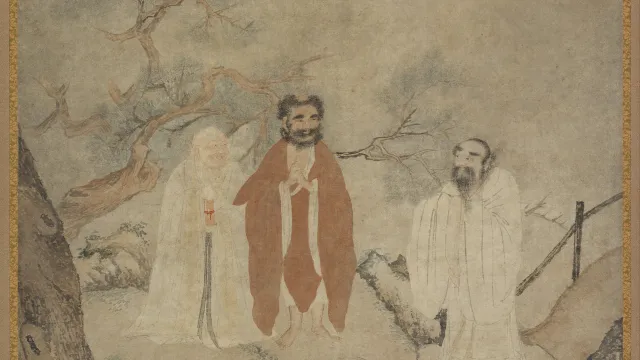
47 Sekunden aus einer echten Lerneinheit über Sokrates. Die Tutorin fragt, die lernende Person kommt selbst darauf, die Tutorin geht weiter.
LauraKI-TutorinDie lernende PersonErwachsene Person
0:00 / 0:47
Ein Ausschnitt aus der Mitte einer längeren Lerneinheit, aus dem Englischen übersetzt. Die Stimme der Tutorin ist die, die Lernende tatsächlich hören; die Worte der lernenden Person liest eine Ersatzstimme.
Lernen, das wirklich funktioniert
Nachhilfe per Sprache
Einfach sprechen. Epivo hört zu und antwortet in Echtzeit — freihändig, auf Ihrem Handy.
Lehrt Sie zu denken
Epivo hält keine Vorträge — es stellt Fragen, hinterfragt Annahmen und hilft Ihnen, Ideen eigenständig zu durchdenken.
Strukturierte Kurse
Sorgfältig zusammengestellte Kurse von Philosophie und Weltgeschichte bis hin zu nationalen Lehrplänen — jeweils mit klarer Progression, Voraussetzungen und Beherrschungs-Tracking.
Merkt sich Ihren Fortschritt
Epivo verfolgt Ihren Lernfortschritt über alle Sitzungen hinweg — was Sie bereits beherrschen, woran Sie noch arbeiten müssen und sogar Ihre persönlichen Interessen und Ihren Lernstil.
Was Epivo besonders macht
Ein sprachbasierter AI-Tutor, der das Mitreißende eines echten Gesprächs mit der Gewissheit verbindet, was Sie tatsächlich gelernt haben — für jedes Fach, jedes Alter, jederzeit und überall verfügbar.
Wähle deinen Tutor
Such dir die Stimme aus, mit der du lernen möchtest. In der App kannst du jederzeit zu einem anderen Tutor wechseln.
Abspielen
RachelKI-Tutor
Uncle DanKI-Tutor
LucyKI-Tutor
RichieKI-Tutor
JoshKI-Tutor
HopeKI-Tutor
OtisKI-Tutor
BobbyKI-Tutor
CodyKI-Erzähler
Mit einer Premium-Stimme kann ein Erzähler Themen mit einer guten Geschichte übernehmen. Das sind unsere Premium-Stimmen. Wenn deine Minuten mit der Premium-Stimme aufgebraucht sind, geht der Unterricht mit einer kostenlosen Stimme auf deinem Gerät weiter.
سهير الأبطحKI-Tutor
صابرKI-Tutor
عبداللهKI-Erzähler
Mit einer Premium-Stimme kann ein Erzähler Themen mit einer guten Geschichte übernehmen. Das sind unsere Premium-Stimmen. Wenn deine Minuten mit der Premium-Stimme aufgebraucht sind, geht der Unterricht mit einer kostenlosen Stimme auf deinem Gerät weiter.
JulioKI-Tutor
GabrielaKI-Tutor
AlegriaKI-Tutor
AlejandroKI-Tutor
GasparKI-Erzähler
Mit einer Premium-Stimme kann ein Erzähler Themen mit einer guten Geschichte übernehmen. Das sind unsere Premium-Stimmen. Wenn deine Minuten mit der Premium-Stimme aufgebraucht sind, geht der Unterricht mit einer kostenlosen Stimme auf deinem Gerät weiter.
LauraKI-Tutor
FriedrichKI-Tutor
KatrinKI-Erzähler
Mit einer Premium-Stimme kann ein Erzähler Themen mit einer guten Geschichte übernehmen. Das sind unsere Premium-Stimmen. Wenn deine Minuten mit der Premium-Stimme aufgebraucht sind, geht der Unterricht mit einer kostenlosen Stimme auf deinem Gerät weiter.
HugoKI-Tutor
IngridKI-Tutor
Martin DupontKI-Erzähler
Mit einer Premium-Stimme kann ein Erzähler Themen mit einer guten Geschichte übernehmen. Das sind unsere Premium-Stimmen. Wenn deine Minuten mit der Premium-Stimme aufgebraucht sind, geht der Unterricht mit einer kostenlosen Stimme auf deinem Gerät weiter.
ChristopherKI-Tutor
AnnaKI-Tutor
AndersKI-Tutor
MathiasKI-Tutor
TobiasKI-Tutor
AnnieKI-Tutor
ElinKI-Tutor
OlaKI-Erzähler
Mit einer Premium-Stimme kann ein Erzähler Themen mit einer guten Geschichte übernehmen. Das sind unsere Premium-Stimmen. Wenn deine Minuten mit der Premium-Stimme aufgebraucht sind, geht der Unterricht mit einer kostenlosen Stimme auf deinem Gerät weiter.
ΧρύσαKI-Tutor
ΙορδάνηςKI-Tutor
ΣτέφανοςKI-Erzähler
Mit einer Premium-Stimme kann ein Erzähler Themen mit einer guten Geschichte übernehmen. Das sind unsere Premium-Stimmen. Wenn deine Minuten mit der Premium-Stimme aufgebraucht sind, geht der Unterricht mit einer kostenlosen Stimme auf deinem Gerät weiter.
GinevraKI-Tutor
AidaKI-Tutor
LorenzoKI-Tutor
AlessandroKI-Tutor
BrandoKI-Tutor
FabrizioKI-Tutor
MatteoKI-Tutor
EmilioKI-Erzähler
Mit einer Premium-Stimme kann ein Erzähler Themen mit einer guten Geschichte übernehmen. Das sind unsere Premium-Stimmen. Wenn deine Minuten mit der Premium-Stimme aufgebraucht sind, geht der Unterricht mit einer kostenlosen Stimme auf deinem Gerät weiter.
ThiagoKI-Tutor
CarlaKI-Tutor
FernandaKI-Tutor
DavidKI-Erzähler
Mit einer Premium-Stimme kann ein Erzähler Themen mit einer guten Geschichte übernehmen. Das sind unsere Premium-Stimmen. Wenn deine Minuten mit der Premium-Stimme aufgebraucht sind, geht der Unterricht mit einer kostenlosen Stimme auf deinem Gerät weiter.
AnttiKI-Tutor
VäinöKI-Erzähler
Mit einer Premium-Stimme kann ein Erzähler Themen mit einer guten Geschichte übernehmen. Das sind unsere Premium-Stimmen. Wenn deine Minuten mit der Premium-Stimme aufgebraucht sind, geht der Unterricht mit einer kostenlosen Stimme auf deinem Gerät weiter.
देवीKI-Tutor
रेवाKI-Tutor
यतिनKI-Tutor
कृष्णKI-Tutor
कश्यपKI-Erzähler
Mit einer Premium-Stimme kann ein Erzähler Themen mit einer guten Geschichte übernehmen. Das sind unsere Premium-Stimmen. Wenn deine Minuten mit der Premium-Stimme aufgebraucht sind, geht der Unterricht mit einer kostenlosen Stimme auf deinem Gerät weiter.
RolandKI-Tutor
RoosKI-Tutor
RobertKI-Tutor
JanKI-Erzähler
Mit einer Premium-Stimme kann ein Erzähler Themen mit einer guten Geschichte übernehmen. Das sind unsere Premium-Stimmen. Wenn deine Minuten mit der Premium-Stimme aufgebraucht sind, geht der Unterricht mit einer kostenlosen Stimme auf deinem Gerät weiter.
ØyvindKI-Tutor
SannaKI-Tutor
HelgeKI-Tutor
MajaKI-Erzähler
Mit einer Premium-Stimme kann ein Erzähler Themen mit einer guten Geschichte übernehmen. Das sind unsere Premium-Stimmen. Wenn deine Minuten mit der Premium-Stimme aufgebraucht sind, geht der Unterricht mit einer kostenlosen Stimme auf deinem Gerät weiter.
DuarteKI-Tutor
DanielaKI-Tutor
AfonsoKI-Tutor
JoanaKI-Erzähler
Mit einer Premium-Stimme kann ein Erzähler Themen mit einer guten Geschichte übernehmen. Das sind unsere Premium-Stimmen. Wenn deine Minuten mit der Premium-Stimme aufgebraucht sind, geht der Unterricht mit einer kostenlosen Stimme auf deinem Gerät weiter.
ちぃちゃんKI-Tutor
しょうへいKI-Tutor
よしみKI-Tutor
ごじょうKI-Tutor
あきおKI-Tutor
けんぞうKI-Tutor
もりおきKI-Tutor
あやKI-Tutor
やしろこういちKI-Erzähler
Mit einer Premium-Stimme kann ein Erzähler Themen mit einer guten Geschichte übernehmen. Das sind unsere Premium-Stimmen. Wenn deine Minuten mit der Premium-Stimme aufgebraucht sind, geht der Unterricht mit einer kostenlosen Stimme auf deinem Gerät weiter.
김해리KI-Tutor
한KI-Tutor
준KI-Tutor
수진KI-Tutor
태호KI-Erzähler
Mit einer Premium-Stimme kann ein Erzähler Themen mit einer guten Geschichte übernehmen. Das sind unsere Premium-Stimmen. Wenn deine Minuten mit der Premium-Stimme aufgebraucht sind, geht der Unterricht mit einer kostenlosen Stimme auf deinem Gerät weiter.
ArcherKI-Tutor
TeddyKI-Tutor
SamaraKI-Tutor
Liam DaleKI-Erzähler
Mit einer Premium-Stimme kann ein Erzähler Themen mit einer guten Geschichte übernehmen. Das sind unsere Premium-Stimmen. Wenn deine Minuten mit der Premium-Stimme aufgebraucht sind, geht der Unterricht mit einer kostenlosen Stimme auf deinem Gerät weiter.
EmmaKI-Tutor
JasonKI-Tutor
AlexKI-Erzähler
Mit einer Premium-Stimme kann ein Erzähler Themen mit einer guten Geschichte übernehmen. Das sind unsere Premium-Stimmen. Wenn deine Minuten mit der Premium-Stimme aufgebraucht sind, geht der Unterricht mit einer kostenlosen Stimme auf deinem Gerät weiter.
ShannonKI-Tutor
PatrickKI-Tutor
BeckieKI-Erzähler
Mit einer Premium-Stimme kann ein Erzähler Themen mit einer guten Geschichte übernehmen. Das sind unsere Premium-Stimmen. Wenn deine Minuten mit der Premium-Stimme aufgebraucht sind, geht der Unterricht mit einer kostenlosen Stimme auf deinem Gerät weiter.
ArfaKI-Tutor
KumaranKI-Tutor
RanbirKI-Erzähler
Mit einer Premium-Stimme kann ein Erzähler Themen mit einer guten Geschichte übernehmen. Das sind unsere Premium-Stimmen. Wenn deine Minuten mit der Premium-Stimme aufgebraucht sind, geht der Unterricht mit einer kostenlosen Stimme auf deinem Gerät weiter.
AmandaKI-Tutor
SekouKI-Tutor
KirstenKI-Erzähler
Mit einer Premium-Stimme kann ein Erzähler Themen mit einer guten Geschichte übernehmen. Das sind unsere Premium-Stimmen. Wenn deine Minuten mit der Premium-Stimme aufgebraucht sind, geht der Unterricht mit einer kostenlosen Stimme auf deinem Gerät weiter.
Miss Sally MayKI-Tutor
TelisaKI-Tutor
RhettKI-Tutor
Mr. PeteKI-Tutor
JamesKI-Tutor
Brother WayneKI-Erzähler
Mit einer Premium-Stimme kann ein Erzähler Themen mit einer guten Geschichte übernehmen. Das sind unsere Premium-Stimmen. Wenn deine Minuten mit der Premium-Stimme aufgebraucht sind, geht der Unterricht mit einer kostenlosen Stimme auf deinem Gerät weiter.
هبةKI-Tutor
مصريKI-Tutor
غزلانKI-Tutor
هيثمKI-Erzähler
Mit einer Premium-Stimme kann ein Erzähler Themen mit einer guten Geschichte übernehmen. Das sind unsere Premium-Stimmen. Wenn deine Minuten mit der Premium-Stimme aufgebraucht sind, geht der Unterricht mit einer kostenlosen Stimme auf deinem Gerät weiter.
لطيفةKI-Tutor
مصطفى عبداللهKI-Tutor
يوسفKI-Erzähler
Mit einer Premium-Stimme kann ein Erzähler Themen mit einer guten Geschichte übernehmen. Das sind unsere Premium-Stimmen. Wenn deine Minuten mit der Premium-Stimme aufgebraucht sind, geht der Unterricht mit einer kostenlosen Stimme auf deinem Gerät weiter.
لولوشKI-Tutor
فارسKI-Tutor
هاديKI-Tutor
إبراهيمKI-Erzähler
Mit einer Premium-Stimme kann ein Erzähler Themen mit einer guten Geschichte übernehmen. Das sind unsere Premium-Stimmen. Wenn deine Minuten mit der Premium-Stimme aufgebraucht sind, geht der Unterricht mit einer kostenlosen Stimme auf deinem Gerät weiter.
لبنىKI-Tutor
Das sind unsere Premium-Stimmen. Wenn deine Minuten mit der Premium-Stimme aufgebraucht sind, geht der Unterricht mit einer kostenlosen Stimme auf deinem Gerät weiter.
SuperiorKI-Tutor
ValeriaKI-Tutor
AntonioKI-Tutor
MacKI-Tutor
AnitaKI-Tutor
Ale AlejandroKI-Tutor
El FaraonKI-Erzähler
Mit einer Premium-Stimme kann ein Erzähler Themen mit einer guten Geschichte übernehmen. Das sind unsere Premium-Stimmen. Wenn deine Minuten mit der Premium-Stimme aufgebraucht sind, geht der Unterricht mit einer kostenlosen Stimme auf deinem Gerät weiter.
Analyse-Cookies zeigen uns, wie die Website genutzt wird. Werbe-Cookies teilen einer Werbeplattform mit, ob Sie sich nach einer ihrer Anzeigen registriert haben. Mehr dazu